Blog
German ID Card Explained: Types Uses & Key Benefits
Apr
German ID Card Explained: Types Uses & Key Benefits
German ID Card Explained: Types Uses & Key Benefits. In today’s increasingly digital and interconnected world, identification documents play a crucial role in ensuring security, accessibility, and convenience. Among Europe’s most advanced identification systems is the German ID card, known for its reliability, modern features, and wide range of applications. Whether you are a resident, a traveler, or someone interested in global identification systems, understanding the German ID card can offer valuable insights.
This comprehensive guide explores the types of German ID cards, their uses, and the key benefits they provide.
What Is a German ID Card?
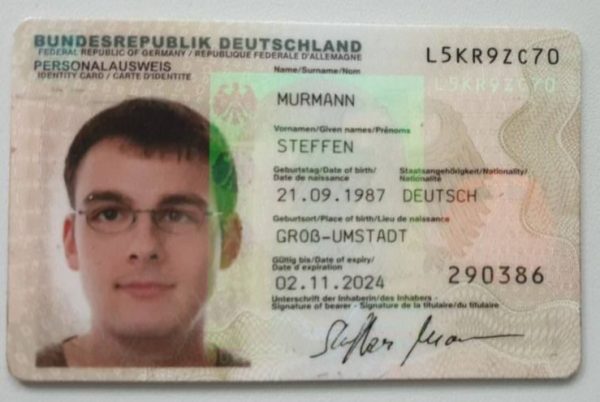
The German ID card, officially called the Personalausweis, is a government-issued identity document provided to German citizens. It serves as an official proof of identity and is widely accepted across Germany and the European Union (EU). Since its modernization, the German ID card has become a highly secure, multifunctional smart card embedded with advanced digital features.
It is mandatory for German citizens aged 16 and above to possess a valid ID card or passport.
Types of German ID Cards
Germany primarily offers one standard ID card, but it comes with different functional variations and features depending on user needs.
1. Standard German ID Card (Personalausweis)
This is the most common type of ID card issued to citizens. It contains essential personal details such as:
- Full name
- Date of birth
- Nationality
- Address
- Photograph
- Signature
It also includes a contactless chip that stores biometric data such as fingerprints and allows for digital authentication.
2. Electronic ID Card (eID Function)
The electronic ID (eID) is an optional but highly beneficial feature integrated into the German ID card. It enables users to:
- Verify identity online
- Access government services
- Sign documents digitally
This feature is particularly useful in an era where online services are becoming increasingly important.
3. Temporary ID Card
A temporary ID card is issued in urgent situations when a standard card cannot be provided immediately. It has a shorter validity period and limited functionality but still serves as a valid identification document.
Key Uses of the German ID Card
The German ID card is not just a simple identification tool—it is a versatile document used in many aspects of daily life.
1. Proof of Identity
The primary purpose of the ID card is to confirm a person’s identity. It is required in various situations, such as:
- Opening a bank account
- Signing contracts
- Registering residence
- Interacting with authorities
2. Travel Within the EU
German citizens can use their ID card as a travel document within the European Union and several other countries in the Schengen Area. This eliminates the need for a passport in many cases, making travel more convenient.
3. Online Authentication
With the eID function, users can securely log in to online platforms, including:
- Government portals
- Banking systems
- Insurance services
This ensures a high level of security and reduces the risk of identity theft.
4. Digital Signatures
The German ID card supports electronic signatures, allowing users to sign documents digitally. This is especially useful for business transactions and official paperwork.
5. Age Verification
The ID card is commonly used to verify age for purchasing restricted products or accessing age-limited services.
Key Benefits of the German ID Card
The German ID card stands out globally due to its advanced features and user-friendly design. Below are the main benefits:
1. High Security Standards
Germany is known for its strict data protection laws, and the ID card reflects this commitment. The embedded chip uses encryption technology to protect personal information, making it extremely difficult to forge or misuse.
2. Convenience and Versatility
Instead of carrying multiple documents, citizens can rely on a single card for identification, travel, and digital services. This simplifies everyday tasks and reduces administrative burden.
3. Digital Integration
The eID function allows seamless integration with digital platforms. Users can access services from the comfort of their homes without needing to visit offices physically.
4. Faster Administrative Processes
Government procedures become quicker and more efficient when identity verification can be done electronically. This reduces waiting times and improves service delivery.
5. Enhanced Privacy Control
Users have control over their personal data. They can choose whether to activate or deactivate certain features, such as the eID function, ensuring flexibility and privacy.
6. International Recognition
The German ID card is widely recognized and accepted across Europe, making it a reliable travel and identification document.
How to Apply for a German ID Card
Applying for a German ID card is a straightforward process. Here’s a general overview:
- Visit the Local Registration Office
Applications must be submitted in person at the local Bürgeramt (citizen office). - Provide Required Documents
Typically includes:- Birth certificate or passport
- Biometric photo
- Proof of residence
- Biometric Data Collection
Fingerprints and a digital photograph are collected for security purposes. - Pay the Fee
Fees vary depending on age and validity period. - Wait for Processing
The card is usually ready within a few weeks.
Validity and Renewal
The validity of a German ID card depends on the holder’s age:
- Under 24 years: Valid for 6 years
- 24 years and above: Valid for 10 years
Renewal requires submitting a new application before the expiration date.
Tips for Safe Use
To maximize the benefits of your German ID card, consider these tips:
- Keep your PIN secure if using the eID function
- Report loss or theft immediately
- Avoid sharing personal information unnecessarily
- Regularly update your address information
Why the German ID Card Is a Model System
The German ID card is often consider a benchmark for modern identification systems. Its combination of physical security and digital functionality makes it both practical and future-ready.
Countries around the world are increasingly adopting similar systems, inspired by Germany’s approach to integrating identity verification with digital services.
Conclusion
The German ID card is much more than a simple identification document—it is a powerful tool that combines security, convenience, and digital innovation. From everyday identification to international travel and online authentication, it plays a vital role in modern life.
Understanding its types, uses, and benefits helps individuals appreciate its value and utilize its features effectively. As technology continues to evolve, the German ID card stands as a shining example of how identification systems can adapt to meet the demands of a digital world.
If you are planning to live in Germany, travel frequently within Europe, or simply explore advanced ID systems, the German ID card is undoubtedly worth understanding.
