May
A Beginner’s Guide to the Modern German ID Card System
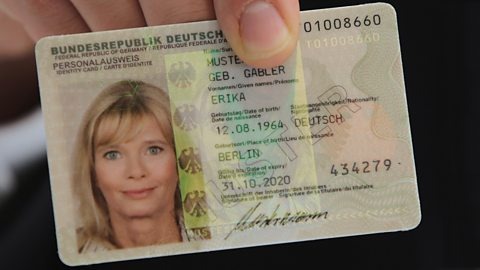
A Beginner’s Guide to the Modern German ID Card System. The German ID card system is one of the most advanced and secure identification systems in Europe. Officially known as the Personalausweis, the German ID card serves as a primary identity document for German citizens and plays a major role in travel, banking, employment, online authentication, and public administration.
For beginners, understanding how the system works can make it much easier to apply for a card, renew it, use its digital features, and avoid common administrative issues. Germany’s modern identification framework combines traditional identity verification with cutting-edge biometric and electronic security technologies.
This comprehensive guide explains everything beginners need to know about the modern German ID card system.

What Is the German ID Card?
The German ID card, or Personalausweis, is an official government-issued identity document for German citizens. It confirms a person’s identity and nationality while enabling access to many public and private services.
The current version of the card includes an electronic chip with biometric and digital authentication capabilities.
Main Functions of the German ID Card
- Official proof of identity
- Travel within the European Union
- Online identification and authentication
- Banking and financial verification
- Employment and tax administration
- Access to healthcare and government services
The card is widely accepted throughout Germany and many European countries.
Who Needs a German ID Card?
German citizens above a certain age are legally required to possess valid identification.
Individuals Who Typically Hold a German ID Card
- Adult German citizens
- Teenagers approaching legal identification age
- Frequent travelers within Europe
- Individuals needing secure digital authentication
Although passports are also valid, many residents prefer carrying the more convenient ID card for everyday use.
The Evolution of the German ID Card System
Germany has modernized its identification system significantly over the years.
Major Improvements in the Modern System
- Biometric security integration
- Digital identity authentication
- Electronic signature support
- Enhanced anti-counterfeit protections
- Faster administrative verification
The newest generation of German ID cards supports secure electronic interactions with government agencies and private institutions.
Key Features of the Modern German ID Card
The modern German ID card includes several advanced technological features.
Biometric Chip Technology
An embedded electronic chip securely stores:
- Personal identification details
- Digital certificates
- Biometric information
- Authentication data
This chip strengthens identity protection and supports secure online transactions.
Online Identification Function (eID)
One of the most important innovations is the electronic identification function, commonly called eID.
What the eID Allows Users to Do
- Access government portals securely
- Complete online registrations
- Verify identity digitally
- Use electronic services safely
- Sign into official systems remotely
This feature reduces paperwork and simplifies many administrative procedures.
Strong Security Protections
Germany’s ID card system uses sophisticated security measures to prevent forgery and fraud.
Security Features Include
- Holographic elements
- Laser engraving
- Biometric verification
- Encrypted chip communication
- UV security markings
- Tamper-resistant materials
These features make German ID cards highly secure and internationally respected.
How to Apply for a German ID Card
Applying for a German ID card involves several official steps.
Step 1: Register Your Residence
Applicants must generally be officially registered at a German address through the local registration office.
Required Registration Information
- Residential address
- Personal identity details
- Legal residency confirmation
Registration is essential before applying for most government documents.
Step 2: Book an Appointment
Applications are usually submitted at the local citizens’ office, known as the Bürgeramt.
Why Appointments Matter
- Faster processing
- Reduced waiting times
- Organized document verification
- Efficient biometric collection
Many offices allow online appointment scheduling.
Step 3: Prepare the Required Documents
Applicants must present valid supporting documents.
Commonly Required Documents
- Existing passport or ID card
- Birth certificate
- Proof of residence
- Biometric passport photograph
- Citizenship documentation if requested
Accurate and updated documentation helps avoid delays.
Step 4: Submit Biometric Data
Modern German ID cards require biometric registration.
Biometric Information Typically Collected
- Fingerprints
- Digital signature
- Biometric photo
This information strengthens identity verification and improves security.
Step 5: Pay the Applicable Fees
Administrative fees vary depending on age and application type.
Situations That May Affect Fees
- First-time applications
- Renewals
- Express processing
- Lost card replacements
Applicants should confirm current fees with local authorities.
Step 6: Wait for Processing
After submission, the card is produced securely through centralized government systems.
Typical Processing Time
- Standard applications: Several weeks
- Urgent requests: Faster processing may be available
Applicants are notified once the card is ready for collection.
Using the German ID Card for Online Services
The electronic identification function is one of the most powerful aspects of the modern system.
Online Services Accessible With eID
- Tax administration portals
- Insurance systems
- Banking verification
- University services
- Digital contracts
- Healthcare access
Users typically need:
- A compatible smartphone or card reader
- A PIN code
- Official authentication software
Digital identity services continue expanding throughout Germany.
Travel Benefits of the German ID Card
German citizens can travel throughout much of Europe using only their national ID card.
Travel Advantages
- No passport required for many EU countries
- Faster airport verification
- Convenient regional travel
- Simplified border checks
Travelers should still confirm destination-specific regulations before departure.
Renewing a German ID Card
German ID cards must be renewed before expiration.
Renewal Process
- Book a Bürgeramt appointment
- Submit updated biometric photo
- Verify identity information
- Pay renewal fees
- Collect the new card
Early renewal helps prevent administrative or travel complications.
Replacing a Lost or Stolen German ID Card
Losing an ID card requires immediate action.
Recommended Steps
- Report the loss promptly
- Suspend online identification functions if necessary
- Apply for replacement quickly
- Monitor for identity fraud risks
Fast action helps protect personal information and prevent misuse.
The Importance of Biometric Security
Biometric technology has become a major component of Germany’s identity system.
Benefits of Biometric Verification
- Stronger fraud prevention
- Improved identity accuracy
- Faster verification processes
- Enhanced border security
These systems help maintain public trust in official identification.
Common Uses of the German ID Card
The German ID card is used regularly in daily life.
Everyday Situations Requiring ID
- Banking
- Hotel check-ins
- Employment verification
- Healthcare services
- Government appointments
- Age verification
The card simplifies countless administrative tasks.
Tips for Beginners Using the German ID Card System
Protect Your PIN
The electronic identification PIN should remain confidential and secure.
Update Your Address Promptly
German law requires residents to maintain accurate registration information.
Monitor Expiration Dates
Renew documents before they expire to avoid inconvenience.
Use Official Government Services
Always rely on authorized offices and secure systems when handling ID-related procedures.
Advantages of Germany’s Modern ID System
Germany’s identity infrastructure offers numerous benefits for both citizens and institutions.
Major Advantages
- High security standards
- Efficient digital services
- Strong fraud protection
- Simplified travel
- Secure online authentication
- Reliable identity verification
The system supports Germany’s increasingly digital administrative environment.
Challenges and Future Developments
As digital identity systems evolve, Germany continues improving its infrastructure.
Future Areas of Development
- Mobile digital identity integration
- Expanded online government services
- Faster authentication technologies
- Improved cybersecurity protections
Digital transformation continues shaping the future of identification across Europe.
Why the German ID Card System Matters
The modern German ID card system represents a balance between security, convenience, and digital innovation. It allows citizens to verify their identity safely while accessing services efficiently both online and offline.
For beginners, understanding how the system works makes it easier to navigate applications, renewals, travel requirements, and electronic identification services.
Final Thoughts on the Modern German ID Card System
The modern German ID card system is one of the most secure and technologically advanced identification systems in the world. Through biometric verification, encrypted electronic authentication, and strong anti-fraud protections, Germany has created a highly efficient identity framework for citizens and institutions alike.
By understanding the application process, security features, online functions, and daily uses of the German ID card, beginners can confidently navigate Germany’s administrative and digital environment while benefiting from secure and reliable identification services.
