
Blog
UK ID Cards: Everything You Need to Know in 2026
Apr
UK ID Cards: Everything You Need to Know in 2026
UK ID Cards: Everything You Need to Know in 2026. Identity verification in the United Kingdom has always been a complex and evolving topic. Unlike many European countries, the UK has historically resisted a single, mandatory national ID card system. But in 2026, things are changing—especially with the rise of digital identity systems, new voter ID rules, and modern verification methods.
In this comprehensive guide, we’ll explore everything you need to know about UK ID cards in 2026, including their history, current status, accepted forms of ID, and what the future holds.
The History of UK ID Cards
The UK’s relationship with identity cards has been inconsistent. ID cards were introduced during both World Wars for national security purposes but later abolished. The last compulsory ID system ended in 1952 due to concerns over civil liberties and government overreach.
A modern attempt to introduce national ID cards came in the 2000s, but this system was scrapped under the Identity Documents Act 2010. By January 2011, official UK national identity cards were no longer valid legal documents.
This decision has shaped the current landscape: the UK still does not have a universal physical ID card system.
Do UK Citizens Have ID Cards in 2026?
The short answer: No single national ID card exists in the UK as of 2026.
Instead, people rely on a variety of documents to prove their identity, including:
- Passports
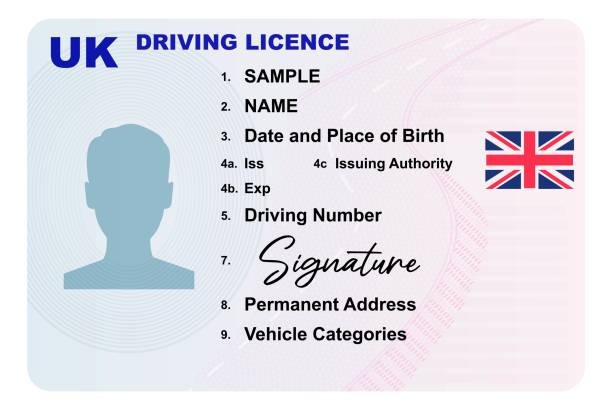
- Driving licences
- Biometric Residence Permits (BRP)
- Immigration documents
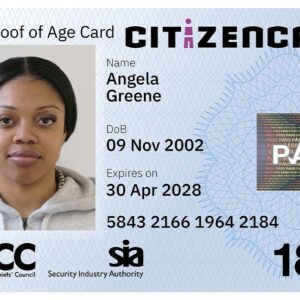
- PASS-accredited proof-of-age cards
These documents serve different purposes, which can make identity verification confusing and inconsistent across services.
Why the UK Doesn’t Have a National ID Card
One of the key reasons the UK has avoided a universal ID card is public concern over privacy and surveillance. Historically, many people have viewed mandatory ID systems as incompatible with British values and personal freedoms.
Additionally, the government has relied on existing documents like passports and driving licences instead of introducing a new centralized system. However, this approach has led to inefficiencies and confusion in identity verification processes.
Accepted Forms of ID in the UK (2026)
Although there’s no national ID card, several forms of identification are widely accepted:
1. Passport
The most reliable and widely recognized ID for travel and official purposes.
2. Driving Licence
Commonly used for identity verification and age checks within the UK.
3. Biometric Residence Permit (BRP)
Used by non-UK citizens to prove immigration status.
4. PASS Cards
Government-approved cards mainly used for age verification (e.g., entering clubs or buying alcohol).
5. Bank Cards (New in 2026)
Under new legislation, UK-issued bank cards can now be used as voter ID, making identification more accessible.
Voter ID Changes in 2026
One of the biggest updates in 2026 is the expansion of acceptable voter identification.
The UK government has introduced reforms allowing:
- Bank cards with the voter’s name as valid ID
- Digital IDs with secure verification features
- Continued use of traditional photo ID
These changes aim to make voting more accessible while maintaining security against fraud.
The Rise of Digital ID in the UK
While physical ID cards remain absent, the UK is moving toward digital identity systems.
What Is Digital ID?
Digital ID is an electronic way to prove your identity using a smartphone or online platform. It includes verified information such as:
- Name
- Date of birth
- Nationality or residency status
- Photo (for biometric verification)
Key Benefits
- Faster access to public services
- Reduced identity fraud
- Easier online verification
- Less paperwork
Digital IDs are designed to streamline interactions with both government and private services, such as opening bank accounts or applying for benefits.
Will Digital ID Replace Physical Documents?
Not entirely—at least not yet.
The UK government is currently consulting on digital ID systems, and while they are expected to become more common, they will likely coexist with traditional documents like passports and driving licences.
There has also been political debate about whether digital ID should be mandatory. Recent developments suggest a more flexible approach, allowing multiple forms of identification rather than enforcing a single system.
Travel and ID Rules in the UK
If you’re traveling to or from the UK, it’s important to note:
- Passports are now the primary travel document
- Many foreign ID cards are no longer accepted for entry
- Identity cards are not valid travel documents
This shift was made to improve border security and reduce document fraud.
Security and Fraud Prevention
Identity fraud remains a significant concern in the UK. To combat this, modern ID systems include:
- Biometric verification (facial recognition)
- Digital authentication features
- Secure databases and encryption
Government guidance also emphasizes checking documents carefully to detect counterfeit or forged IDs.
Pros and Cons of UK ID Systems
Advantages
- Flexibility in choosing ID documents
- Strong privacy protections
- Gradual adoption of digital innovation
Disadvantages
- Lack of a single, universal ID
- Confusion across different services
- Repetitive verification processes
The move toward digital ID aims to address many of these issues.
What the Future Holds
The future of ID in the UK is clearly digital—but not without challenges.
Key trends to watch:
- Expansion of digital ID systems
- Integration with public and private services
- Improved security and fraud prevention
- Ongoing debates about privacy and regulation
While a mandatory national ID card system is still unlikely in the near future, digital identity could eventually become the standard way to prove who you are.
Final Thoughts
In 2026, the UK remains unique in its approach to identity verification. There is no single national ID card, but a mix of documents and emerging digital solutions fills the gap.
With new voter ID rules, digital identity initiatives, and evolving legislation, the UK is gradually moving toward a more streamlined and modern system—without abandoning its long-standing emphasis on privacy and individual freedom.
Understanding how these systems work is essential, whether you’re a resident, traveler, or someone doing business in the UK. As digital identity continues to develop, staying informed will help you navigate this changing landscape with confidence.
