Blog
German ID Card: Everything You Need to Know in 2026
May
German ID Card: Everything You Need to Know in 2026
German ID Card: Everything You Need to Know in 2026. If you’re living in Germany or planning to move there, obtaining a German ID card—known as the Personalausweis—is a key step in managing your legal identity. Whether you’re a first-time applicant or renewing your card, understanding the process in 2026 can help you save time, avoid delays, and ensure everything goes smoothly.
This comprehensive guide covers eligibility, requirements, application steps, costs, and tips to make your experience hassle-free.
What Is the German ID Card (Personalausweis)?
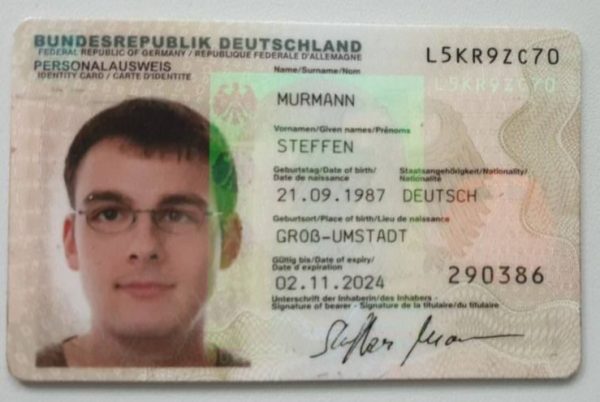
The German ID card, officially called the Personalausweis, is an official government-issued identification document for German citizens.
It serves multiple purposes:
- Proof of identity within Germany
- Travel document within the EU and Schengen Area
- Access to public services
- Digital identification for online services
Since 2010, the card includes a contactless chip that enables secure electronic identification (eID).
Who Needs a German ID Card?
In Germany, it is mandatory for citizens aged 16 and older to possess a valid ID card or passport.
You can apply if you are:
- A German citizen
- Registered at a German address (Anmeldung completed)
For children under 16, the ID card is optional but can still be issued upon request.
Documents Required
Before applying, gather the following documents to avoid delays:
1. Proof of Identity
- Valid passport or previous ID card
2. Biometric Passport Photo
- Must meet strict German biometric standards
3. Proof of Residence
- Registration certificate (Meldebescheinigung), if required
4. Birth Certificate (for first-time applicants)
Having accurate and up-to-date documents is essential for fast processing.
Step-by-Step Application Process
Step 1: Register Your Address (Anmeldung)
Before applying for an ID card, you must register your residence in Germany. This is done at the local registration office.
Without this step, your application cannot proceed.
Step 2: Book an Appointment
Schedule an appointment at your local Citizens’ Office (Bürgeramt). In larger cities, appointments can fill up quickly, so book early.
Tips:
- Check online booking systems frequently
- Look for cancellations to get earlier slots
- Consider nearby districts for faster availability
Step 3: Attend Your Appointment
At your appointment:
- Submit your documents
- Provide fingerprints (mandatory for applicants aged 6 and above)
- Confirm your personal details
The process usually takes around 15–20 minutes.
Step 4: Pay the Fee
The standard fee for a German ID card in 2026 is approximately:
- €37.00 for applicants aged 24 and over
- €22.80 for applicants under 24
Additional fees may apply for express processing or special services.
Step 5: Wait for Processing
Your ID card is produced centrally and sent to your local office. Processing time is typically:
- 2 to 4 weeks (standard)
- Faster for express applications (where available)
You’ll receive a notification when your card is ready.
Step 6: Collect Your ID Card
To collect your ID:
- Visit the same Bürgeramt
- Bring your collection receipt
- Set your PIN for online identification
Once collected, your card is fully active.
Key Features of the German ID Card
The modern Personalausweis comes with advanced features:
- Electronic chip (eID function) for online authentication
- Biometric data (photo and fingerprints)
- Digital signature capability
- High-level security protections
These features make it one of the most secure ID systems in Europe.
Validity Period
The validity of your German ID card depends on your age:
- Under 24 years: Valid for 6 years
- 24 and older: Valid for 10 years
Make sure to renew your card before it expires to avoid legal issues.
Tips to Get Your ID Faster
Want to speed up the process? Follow these practical tips:
1. Book Early
Appointments can be the biggest bottleneck—secure yours as soon as possible.
2. Use Certified Photo Services
Incorrect photos are a common reason for delays.
3. Bring Complete Documents
Missing paperwork can result in rescheduling.
4. Check Express Options
Some offices offer faster processing for an extra fee.
5. Avoid Peak Seasons
Summer and holiday periods often have longer wait times.
Common Mistakes to Avoid
Many applicants experience delays due to simple errors:
- Not registering their address before applying
- Bringing non-compliant photos
- Missing appointment slots
- Providing incomplete documentation
- Forgetting to collect the card on time
Avoiding these mistakes ensures a smooth process.
What’s New in 2026?
Germany continues to modernize its ID system. Updates in 2026 include:
- Improved digital identity features for online services
- Enhanced data security and encryption
- More user-friendly online appointment systems
- Expanded use of eID for banking and government platforms
These improvements make the ID card more useful than ever.
What to Do If Your ID Is Lost or Stolen
If your ID card is lost or stolen:
- Report it immediately to local authorities
- Block the eID function to prevent misuse
- Apply for a replacement at your Bürgeramt
Quick action helps protect your identity.
Benefits of Having a German ID Card
Holding a valid German ID card provides many advantages:
- Easy travel within Europe
- Access to government and online services
- Legal compliance with identification laws
- Simplified administrative processes
- Secure digital identity verification
Final Thoughts
The German ID card (Personalausweis) is an essential document for anyone living in Germany as a citizen. While the application process is straightforward, preparation and attention to detail are key to avoiding delays.
By following this 2026 guide—gathering the right documents, booking your appointment early, and understanding the process—you can complete your application quickly and efficiently.
Whether you’re applying for the first time or renewing your card, taking the right steps today ensures a smooth experience and gives you access to all the benefits that come with secure, modern identification in Germany.
