Blog
Belgium ID Card: The Complete Guide for First-Time Applicants
May
Belgium ID Card: The Complete Guide for First-Time Applicants
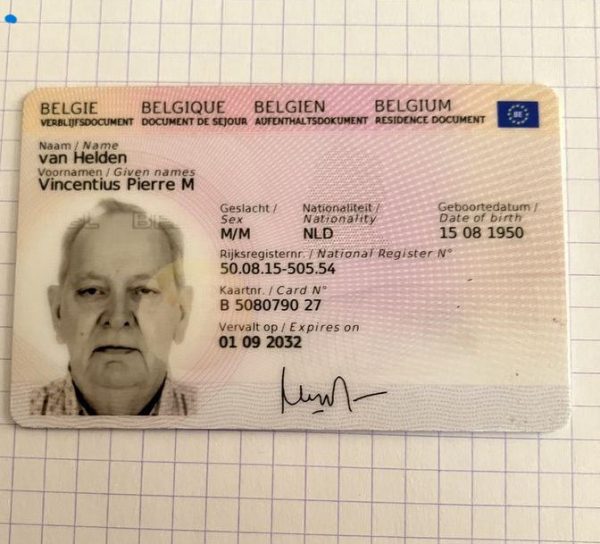
Belgium ID Card: The Complete Guide for First-Time Applicants. If you’re planning to live in Belgium or have recently become a Belgian citizen, obtaining a Belgian ID card is one of the most important administrative steps you’ll take. Known as the eID (electronic identity card), this document serves as official proof of identity and gives you access to a wide range of services across Belgium and the European Union.
For first-time applicants, the process can feel a bit overwhelming. This complete guide breaks everything down into simple, clear steps so you can apply with confidence and avoid unnecessary delays.
What Is a Belgium ID Card (eID)?
The Belgian ID card, or eID, is a government-issued identity document that includes a microchip containing your personal data. It is mandatory for Belgian citizens aged 12 and above and is widely used for:
- Identification within Belgium
- Travel across most European countries
- Access to government services
- Online authentication and digital signatures
- Banking and administrative procedures
The card combines convenience with security, making it an essential part of daily life in Belgium.
Who Can Apply for a Belgian ID Card?
You can apply for a Belgian ID card if you are:
- A Belgian citizen (by birth, descent, or naturalization)
- Registered in the Belgian population register
- Living in Belgium or registered with a Belgian consulate abroad
For children under 12, a different card called the Kids-ID is issued.
Documents Required for First-Time Applicants
To ensure a smooth and fast application process, prepare the following documents in advance:
1. Proof of Identity
- Valid passport or previous ID (if applicable)
2. Proof of Nationality
- Belgian birth certificate or nationality certificate
3. Proof of Residence
- Registration in your local municipality (commune/gemeente)
4. Passport-Sized Photos
- Must meet strict biometric requirements
5. Application Form
- Usually provided by your local municipal office
Having all documents ready and accurate will help avoid delays or rejection.
Step-by-Step Application Process
Step 1: Register at Your Local Municipality
Before applying for your ID card, you must be officially registered in your local municipality. This is where your residence is verified and recorded in the national system.
If you’ve just moved to Belgium, this step is essential and may involve a police verification of your address.
Step 2: Book an Appointment
Once registered, schedule an appointment at your local municipal office. Some municipalities allow walk-ins, but booking in advance is highly recommended to save time.
Tips:
- Choose early morning slots for quicker service
- Avoid peak days (Mondays and post-holiday periods)
Step 3: Submit Your Application
During your appointment:
- Submit your documents
- Provide biometric data (photo, fingerprints, and signature)
- Confirm your personal details
The process is straightforward and typically takes 15–20 minutes.
Step 4: Pay the Application Fee
The cost of a Belgian ID card varies slightly depending on the municipality but generally ranges between:
- €20 to €30 for standard applications
- Higher fees for urgent processing
Make sure to check accepted payment methods (cash, card, or online).
Step 5: Wait for Processing
After submission, your ID card is produced centrally and sent to your municipality. Processing times usually are:
- 2 to 3 weeks for standard applications
- A few days for urgent or express requests
You’ll receive a notification (SMS, email, or letter) when your card is ready.
Step 6: Collect Your ID Card
To collect your eID:
- Visit the same municipal office
- Bring your PIN/PUK codes (sent separately for security)
- Activate your card during collection
Once activated, your ID card is ready for use both physically and digitally.
Features of the Belgian eID
The Belgian ID card is more than just a physical document. It comes with advanced features such as:
- Embedded microchip storing personal data
- Digital authentication for secure online services
- Electronic signature capability
- High-level security against fraud and identity theft
These features make it one of the most advanced ID systems in Europe.
Validity of the Belgian ID Card
The validity of your ID card depends on your age:
- Ages 12–18: Valid for 6 years
- Ages 18–75: Valid for 10 years
- Over 75: Valid for 30 years
Make sure to renew your card before it expires to avoid administrative issues.
Tips to Speed Up Your Application
If you want to get your Belgian ID card as quickly as possible, follow these practical tips:
1. Double-Check Your Documents
Missing or incorrect documents are the most common cause of delays.
2. Book Early
Appointments can fill up quickly, especially in larger cities.
3. Opt for Express Service
If you’re in a hurry, choose urgent processing (additional fees apply).
4. Use Compliant Photos
Non-compliant photos may result in rejection and require reapplication.
5. Keep Track of Notifications
Don’t delay collection once your card is ready.
Common Mistakes to Avoid
Many first-time applicants face delays due to simple mistakes. Avoid the following:
- Not registering your address before applying
- Bringing outdated or invalid documents
- Missing your appointment
- Ignoring photo requirements
- Losing your PIN/PUK codes
Being prepared can save you time, money, and frustration.
What to Do If Your ID Card Is Lost or Stolen
If your Belgian ID card is lost or stolen:
- Report it immediately to the police
- Contact your municipality
- Block your card to prevent misuse
- Apply for a replacement
Acting quickly helps protect your identity and prevents fraud.
Benefits of Having a Belgian ID Card
Having a Belgian ID card offers numerous advantages:
- Easy travel within the EU
- Access to e-government services
- Secure online transactions
- Simplified banking and employment processes
- Legal identification at all times
It’s not just a requirement—it’s a powerful tool for everyday life.
Final Thoughts
Applying for a Belgian ID card for the first time doesn’t have to be complicated. With the right preparation and understanding of the process, you can complete your application smoothly and efficiently.
The key is to stay organized, follow each step carefully, and make use of available services like online booking and express processing. Once you have your eID, you’ll enjoy easier access to services, greater mobility within Europe, and a secure way to manage your identity both offline and online.
If you’re starting your journey in Belgium, getting your ID card is one of the first and most important steps—so don’t delay. Prepare your documents, book your appointment, and take control of your application process today.
