Blog
How to Get a Canadian Driver’s License: A Step-by-Step Guide
Apr
How to Get a Canadian Driver’s License: A Step-by-Step Guide
How to Get a Canadian Driver’s License: A Step-by-Step Guide. Getting a driver’s license in Canada is an important milestone—whether you’re a new resident, international student, or someone preparing to enjoy the freedom of the open road. Canada’s licensing system is structured, safety-focused, and varies slightly by province, but the overall process is straightforward if you follow the right steps.
In this comprehensive guide, you’ll learn exactly how to obtain your Canadian driver’s license, from eligibility requirements to passing your road test.
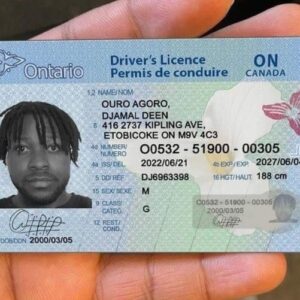
Understanding Canada’s Graduated Licensing System
Most provinces in Canada use a Graduated Driver Licensing (GDL) system. This system is designed to help new drivers gain experience in stages before earning full driving privileges.
The three main stages are:
- Learner’s Permit (G1 or L Stage)
- Intermediate License (G2 or N Stage)
- Full License (G Stage)
Each stage comes with specific rules and restrictions to ensure safe driving practices.
Check Eligibility Requirements
Before applying, make sure you meet the basic criteria:
- Minimum age: Usually 16 years old (varies by province)
- Proof of identity (passport, PR card, etc.)
- Proof of residency in your province
If you’re an international driver, you may be able to exchange your existing license depending on agreements between Canada and your home country.
Study the Driver’s Handbook
Every province provides an official driver’s handbook. This contains essential information such as:
- Road signs and signals
- Traffic laws
- Safe driving practices
- Penalties and fines
Studying the handbook thoroughly is crucial because it forms the basis of your written knowledge test.
Pass the Written Knowledge Test
The written test evaluates your understanding of:
- Traffic rules
- Road signs
- Safe driving behavior
It is usually a multiple-choice exam conducted at a licensing center. Passing this test allows you to obtain your Learner’s Permit.
Tip: Practice online mock tests to improve your chances of passing on the first attempt.
Get Your Learner’s Permit
Once you pass the written test, you’ll receive your learner’s license. However, this stage comes with restrictions such as:
- Driving only with a fully licensed driver
- No driving at night (in some provinces)
- Zero alcohol tolerance
This stage typically lasts 8–12 months, depending on whether you take a certified driving course.
Enroll in a Driving School (Optional but Recommended)
Although not mandatory, enrolling in a professional driving school offers several advantages:
- Structured lessons from certified instructors
- Reduced waiting time for the next test
- Better preparation for real-world driving
Driving schools can significantly boost your confidence and improve your chances of passing the road test.
Pass the First Road Test
After gaining sufficient practice, you can book your first road test to move to the intermediate stage.
During this test, examiners assess:
- Basic vehicle control
- Obeying traffic signs
- Lane discipline
- Parking skills
Passing this test upgrades your license to the intermediate level (G2 or equivalent).
Drive and Gain Experience
At the intermediate stage, you’ll have fewer restrictions but still need to follow certain rules:
- Limited number of passengers (especially at night)
- Zero alcohol level
- Continued safe driving practices
This phase is crucial for building real-world driving experience.
Take the Final Road Test
The final step is passing the advanced road test, which evaluates:
- Highway driving
- Complex traffic situations
- Defensive driving techniques
Once you pass, you’ll receive your full driver’s license, granting you complete driving privileges in Canada.
Special Considerations for International Drivers
If you already hold a valid license from another country:
- You may be eligible for a license exchange
- Some provinces allow skipping certain stages
- You may still need to pass a vision or knowledge test
Countries with exchange agreements make the process much faster and easier.
Costs Involved
The total cost of getting a driver’s license in Canada includes:
- Written test fee
- Road test fees
- License issuance fee
- Driving school (optional)
Overall, you can expect to spend between CAD 150 to CAD 1,000, depending on your choices.
Tips to Pass Your Driving Tests
- Practice regularly in different conditions
- Learn defensive driving techniques
- Stay calm and focused during tests
- Understand common mistakes (rolling stops, speeding, etc.)
Consistency and preparation are key to success.
Why Getting a Canadian Driver’s License Matters
Having a driver’s license in Canada offers many benefits:
- Greater mobility and independence
- Easier access to jobs and opportunities
- Valid ID for various services
- Ability to travel freely across provinces
It’s more than just a permit—it’s a gateway to convenience and freedom.
Final Thoughts
Obtaining a driver’s license in Canada may seem like a lengthy process, but it’s designed to ensure that every driver on the road is skilled and responsible. By following this step-by-step guide, preparing well, and practicing consistently, you can navigate the process smoothly and confidently.
Whether you’re starting from scratch or converting an existing license, the journey is well worth the effort. Soon enough, you’ll be ready to hit the road and explore everything Canada has to offer.
