Blog
Belgian Driving License Test Guide: Tips to Pass Easily

Apr
Belgian Driving License Test Guide: Tips to Pass Easily
Belgian Driving License Test Guide: Tips to Pass Easily. Getting your driving license in Belgium is an exciting milestone that opens the door to independence, convenience, and new opportunities. However, passing the Belgian driving license test can feel challenging, especially if you’re unfamiliar with the process or nervous about the exam. The good news? With the right preparation, mindset, and strategy, you can pass your test with confidence.
In this comprehensive guide, we’ll walk you through everything you need to know—from understanding the test structure to practical tips that will help you succeed on your first attempt.
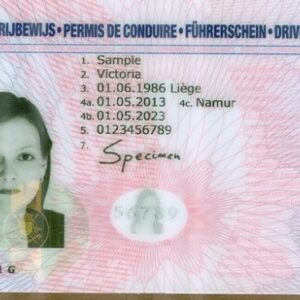
Understanding the Belgian Driving License Process
Before diving into preparation tips, it’s important to understand how the Belgian driving license system works. The process generally involves two key stages:
- Theoretical Exam (Theory Test)
This test assesses your knowledge of traffic rules, road signs, and safe driving practices. - Practical Driving Test
Once you pass the theory test, you can move on to the practical exam, where you demonstrate your driving skills on the road.
Each stage requires focused preparation, and success in both is essential to obtain your license.
Tips to Pass the Theory Test Easily
The theory test is often the first hurdle for many learners. Here’s how you can tackle it effectively:
1. Study the Official Materials Thoroughly
Start by using official driving manuals and study guides. These resources are designed specifically for the Belgian system and cover all the rules you’ll be tested on.
2. Practice with Mock Tests
Taking practice exams is one of the best ways to prepare. Mock tests help you:
- Understand the format of the questions
- Identify your weak areas
- Improve your speed and accuracy
Aim to consistently score well in practice tests before booking your real exam.
3. Learn Road Signs by Heart
Belgium has a wide range of road signs, and many questions revolve around them. Create flashcards or use apps to memorize signs and their meanings.
4. Focus on Common Mistakes
Many candidates fail because they overlook small details. Pay special attention to:
- Right-of-way rules
- Speed limits in different zones
- Priority signs
Understanding these thoroughly can make a big difference.
5. Stay Calm During the Test
Nervousness can lead to simple errors. Take deep breaths, read each question carefully, and avoid rushing.
Preparing for the Practical Driving Test
Once you’ve passed the theory test, the next step is proving your driving skills. Here’s how to prepare:
1. Take Professional Driving Lessons
While practicing with a family member is helpful, professional instructors provide structured training and valuable feedback. They are familiar with test routes and expectations, giving you an advantage.
2. Practice Regularly
Consistency is key. Try to practice driving in different conditions:
- City traffic
- Highways
- Parking situations
- Night driving
The more experience you gain, the more confident you’ll feel.
3. Master Basic Maneuvers
Examiners pay close attention to essential skills such as:
- Parallel parking
- Reversing
- Turning at intersections
- Lane changes
Practice these until they become second nature.
4. Understand Traffic Rules in Practice
Knowing the rules is one thing—applying them correctly is another. Make sure you:
- Always check mirrors and blind spots
- Follow speed limits strictly
- Respect road signs and signals
Consistency in following rules is crucial.
5. Take a Mock Driving Test
Simulate the real test with your instructor or an experienced driver. This helps you:
- Get familiar with the test format
- Reduce anxiety
- Improve your performance under pressure
What to Expect on Test Day
Being prepared for test day can help reduce stress and boost your confidence.
Before the Test
- Ensure you have all required documents
- Arrive early at the test center
- Get a good night’s sleep
During the Test
- Listen carefully to the examiner’s instructions
- Stay calm and focused
- Drive as you’ve practiced—don’t try anything new
Common Reasons for Failure
Avoid these common mistakes:
- Not checking blind spots
- Ignoring traffic signs
- Poor control during maneuvers
- Driving too fast or too slow
Being aware of these pitfalls can help you avoid them.
Confidence-Building Tips
Passing your driving test isn’t just about skills—it’s also about confidence.
1. Visualize Success
Imagine yourself passing the test. Positive visualization can reduce anxiety and improve performance.
2. Stay Positive
Mistakes during practice are part of the learning process. Focus on improvement rather than perfection.
3. Learn from Feedback
If you’ve failed before, don’t get discouraged. Use the examiner’s feedback to improve and try again.
Additional Resources to Help You Succeed
There are plenty of tools available to support your preparation:
- Online theory test platforms
- Mobile apps for road signs and rules
- Driving schools with experienced instructors
Using a combination of these resources can significantly boost your chances of success.
Final Thoughts
Passing the Belgian driving license test may seem daunting at first, but with the right approach, it’s entirely achievable. The key is preparation, practice, and maintaining a calm and confident mindset.
Start by mastering the theory, then focus on building your practical driving skills. Take advantage of professional guidance, practice consistently, and learn from your mistakes. On test day, trust your preparation and stay focused.
Remember, every skilled driver was once a beginner. With determination and the tips outlined in this guide, you’ll be well on your way to earning your Belgian driving license and enjoying the freedom of the road.
