Blog
Belgium ID Card: Everything You Need to Know in 2026
Apr
Belgium ID Card: Everything You Need to Know in 2026
Belgium ID Card: Everything You Need to Know in 2026. In 2026, the Belgium ID card—officially known as the electronic identity card (eID)—continues to play a vital role in identification, travel, and digital access across Europe. With new technological upgrades, including digital ID integration, understanding how the Belgian ID system works has become more important than ever. Whether you’re a Belgian citizen, an expatriate, or planning to relocate, this guide covers everything you need to know.
What Is the Belgium ID Card (eID)?
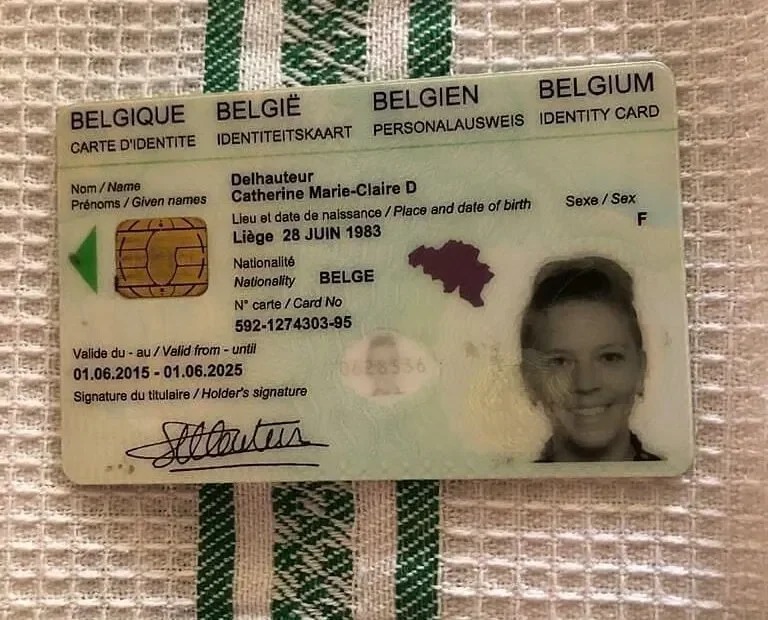
The Belgium ID card, commonly referred to as the electronic identity card (eID), is an official identification document issued to Belgian citizens. It serves multiple purposes beyond simple identification—it is also a digital access key for government services, financial systems, and online authentication.
The eID contains a microchip that securely stores personal data and digital certificates. This allows users to verify their identity online, sign documents electronically, and interact with various administrative platforms.
Who Needs a Belgium ID Card?
In Belgium, having an ID card is mandatory for citizens aged 12 and above.
Additionally, individuals aged 15 and older are legally required to carry their ID card at all times in public spaces.
For younger children under 12, a Kids-ID is available, which serves similar identification and travel purposes.
Key Features of the Belgium eID in 2026
The Belgian ID card has evolved significantly over the years. Here are the key features in 2026:
1. Biometric Security
All Belgian eID cards now include biometric data, specifically fingerprints of both index fingers, as required by European Union regulations.
2. Embedded Microchip
The card includes a secure chip that stores:
- Personal identification data
- Digital certificates for authentication
- Electronic signature capability
This allows citizens to access online services such as tax filing, banking, and municipal services securely.
3. Travel Convenience
The eID can be used as a travel document within the European Union and certain neighboring countries, making it a convenient alternative to a passport for short trips.
4. Compact and Durable Design
The card is wallet-sized, durable, and designed for everyday use.
Validity Period of the Belgium ID Card
The validity of the Belgium ID card depends on the age of the holder at the time of issuance:
- Ages 12–17: Valid for 6 years
- Ages 18–75: Valid for 10 years
- Above 75: Valid for 30 years
It is important to renew your ID before it expires to avoid legal complications or restricted access to services.
How to Apply for a Belgium ID Card
Applying for a Belgian eID is a straightforward process but must be done in person due to biometric requirements.
Application Steps:
- Register with a Municipality or Embassy
You must be registered in Belgium or at a Belgian embassy if living abroad. - Book an Appointment
Applications are processed by appointment only. - Provide Biometric Data
Fingerprints and a photograph are taken during your visit. - Pay the Required Fee
Fees vary depending on location and delivery method. - Collect Your ID Card
Processing typically takes around 3–4 weeks.
Digital Transformation: Belgium ID Card Goes Mobile
One of the biggest updates in 2026 is the introduction of digital identity cards. Belgium is rolling out a smartphone-based version of the eID through government apps.
This digital ID will:
- Mirror the functionality of the physical card
- Allow QR code verification by authorities
- Enable digital signatures and authentication
- Provide easy access to public services
The digital version is expected to be optional but equally valid as the physical card.
This move positions Belgium as a leader in digital identity innovation within Europe.
Uses of the Belgium ID Card
The Belgian eID is more than just an identity document. It is a powerful tool used in daily life:
1. Identification
It serves as the primary form of identification within Belgium and across the EU.
2. Online Authentication
Citizens can log in to government portals, submit tax returns, and access official documents.
3. Electronic Signatures
The eID enables legally binding digital signatures, reducing paperwork and improving efficiency.
4. Banking and Financial Services
Many banks use the eID for secure identity verification.
5. Travel Within Europe
The card can replace a passport for travel within EU member states and select neighboring countries.
Belgium ID Card vs Residence Card
It’s important not to confuse the Belgian ID card with residence permits issued to foreigners.
- Belgian ID Card (eID): Issued to Belgian citizens
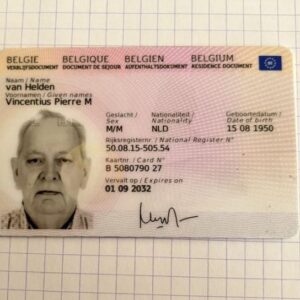
- Residence Card: Issued to non-citizens living in Belgium
Residence cards may have different rules, validity periods, and legal limitations.
What Happens If You Lose Your ID Card?
Losing your ID card can be serious, as it is a critical legal document. If lost or stolen:
- Report it immediately to local authorities
- Contact your municipality or embassy
- Apply for a replacement card
An ID card becomes invalid once reported lost or stolen, and misuse can lead to identity fraud risks.
Benefits of the Belgium ID Card
The Belgian eID offers numerous advantages:
- High Security: Biometric and chip-based protection
- Convenience: Multi-purpose use (ID, travel, digital access)
- Cost-Effective: Cheaper than a passport
- Future-Ready: Integration with digital identity systems
Challenges and Considerations
Despite its benefits, there are some considerations:
- Mandatory Carrying Requirement: Citizens must carry it at all times
- In-Person Application: Cannot be applied for remotely due to biometrics
- Technology Dependence: Digital features require compatible devices
However, ongoing improvements aim to address these limitations.
Final Thoughts
The Belgium ID card in 2026 is more than just a piece of plastic—it’s a gateway to both physical and digital identity. With enhanced security features, extended usability, and the introduction of mobile ID solutions, Belgium is setting a benchmark for modern identification systems.
Whether you are a resident, expatriate, or planning to move to Belgium, understanding how the eID works will help you navigate administrative processes with ease. As digital transformation continues, the Belgian ID card is poised to become even more integral to everyday life.
